Qilu Culture
Introduction
Qilu culture refers to the cultural and historical traditions intrinsic to the region of Shandong province. This cultural heritage is deeply rooted in the ancient kingdoms of Qi and Lu in ancient China, which significantly influenced the development of Chinese civilization. The term "Qilu" melds the names of these two ancient states, which played pivotal roles in shaping the cultural and philosophical landscape of ancient China.
Historical Background
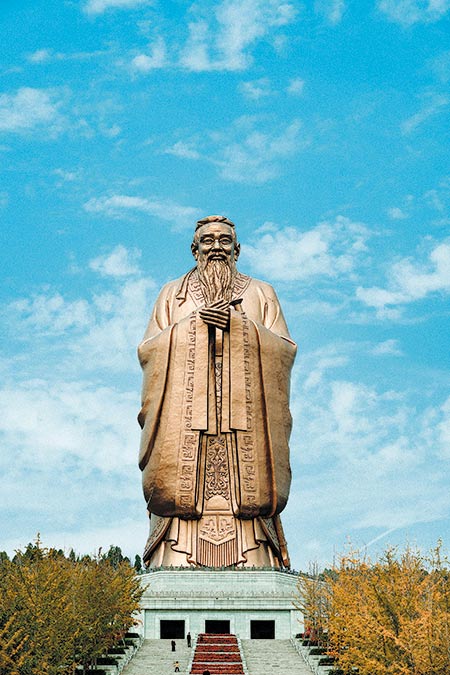
The Qilu culture is not merely a relic of the past but a living tradition that continues to influence the people and practices of Shandong to this day. It is characterized by its emphasis on Confucian ideals, as Shandong is the birthplace of Confucius and Mencius, two of China's most revered philosophers. Confucius, born in the Lu state, laid down many of the ethical and philosophical tenets that became the foundation of Confucianism.
Cultural Significance
The cultural significance of Qilu is profound, with its influences pervading various aspects of life in Shandong. The region's traditions emphasize hospitality, honesty and a strong sense of community, which are reflective of the Confucian ideals that value humanistic and ethical conduct. This cultural fabric is woven through social customs, ceremonies and the general way of life in Shandong, underscoring values that have been preserved and adapted over centuries.
Artifacts and Exhibitions
The richness of Qilu culture is showcased through numerous historical artifacts that reflect the sophisticated craftsmanship and aesthetic sensibilities of ancient Shandong. These artifacts include pottery, bronze ware and other relics that highlight the technological and artistic achievements of the Qi and Lu states.
Influence on Traditional Chinese Medicine
Qilu culture's influence extends beyond philosophy and artifacts into the realm of medicine, particularly traditional Chinese medicine (TCM). The cultural principles from the region have contributed to the holistic and preventative approaches of TCM, which emphasizes balance and harmony within the body. This ancient medical practice has found its place not only within China but also on the global stage, with increasing international recognition and incorporation into various countries' healthcare systems.








